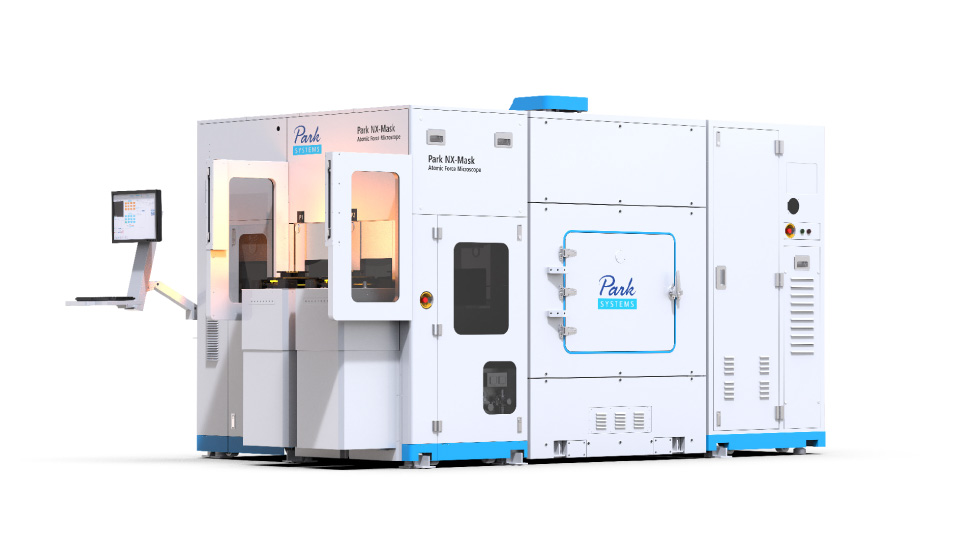
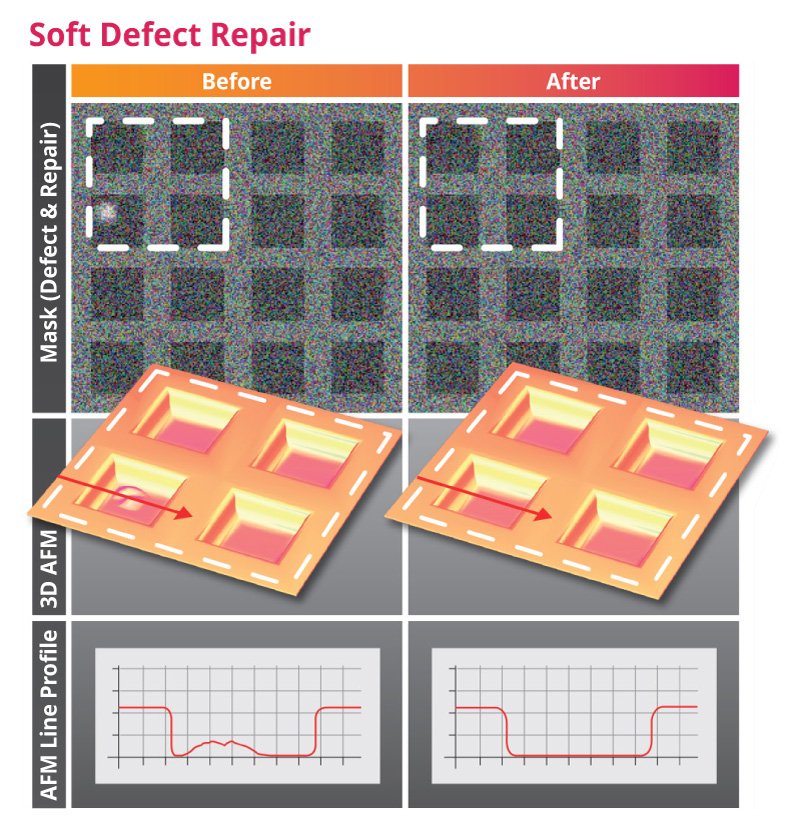
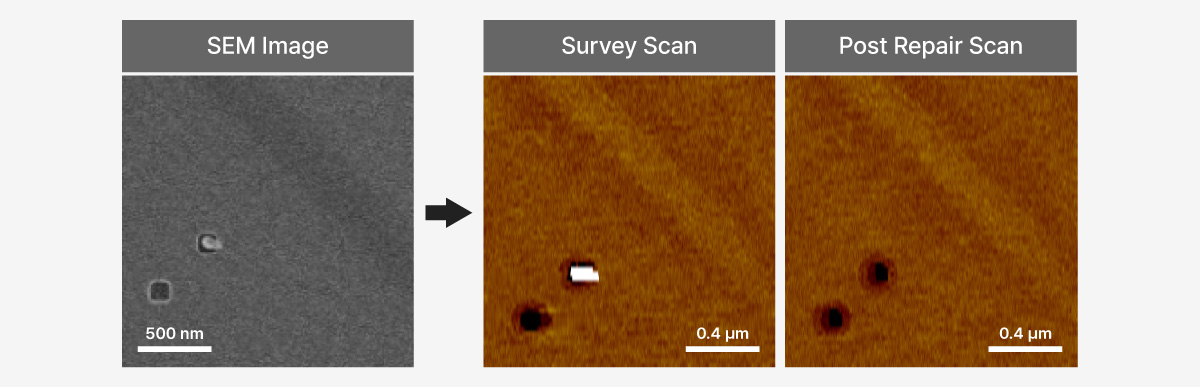
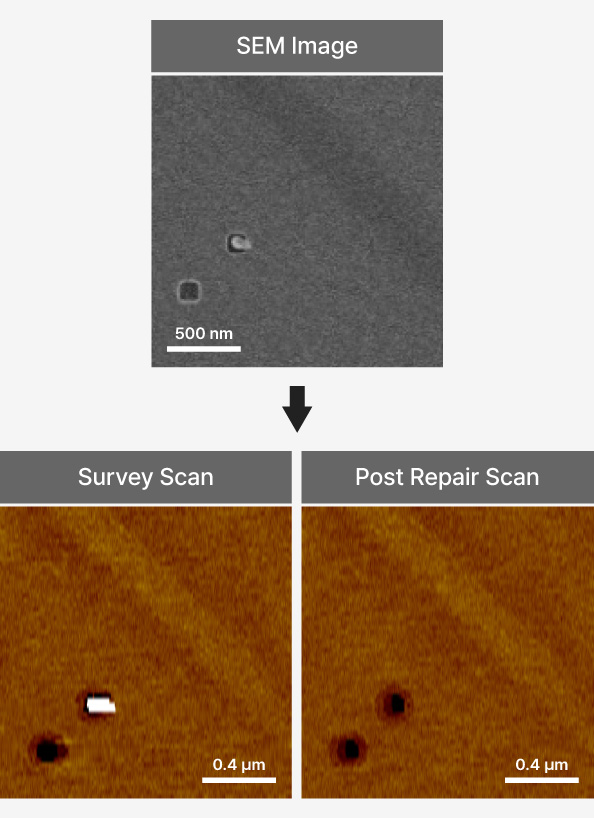
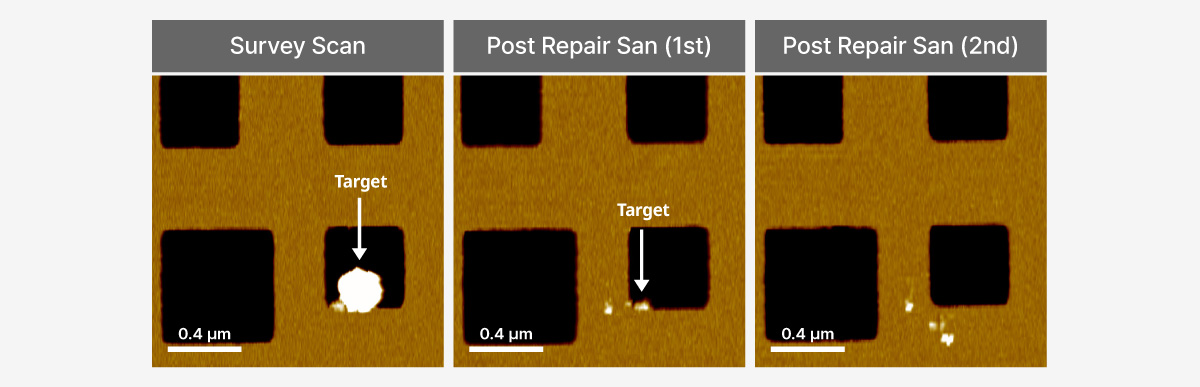
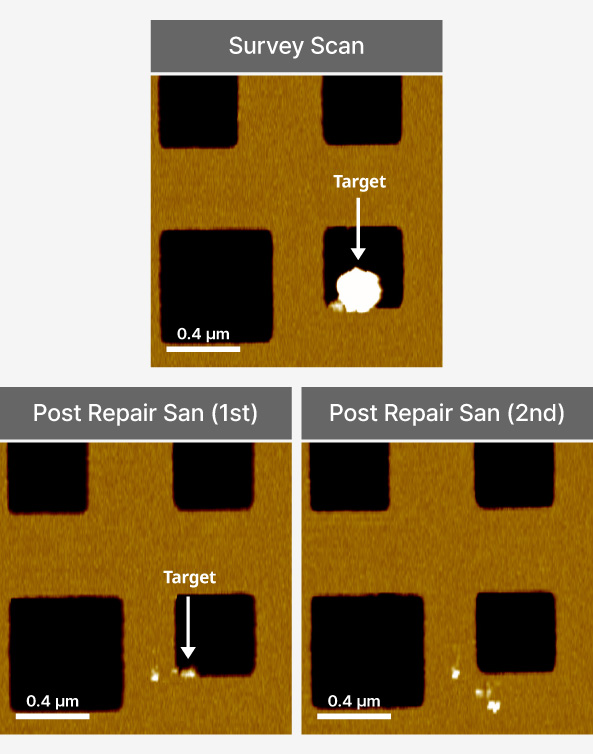
Park NX-Mask is a state-of-the-art photomask repair and metrology system designed for next-generation semiconductor nodes. By integrating Park Systems’ proprietary True Non-contact™ mode with innovative nanomachining technology, it removes soft and hard defects on both advanced and conventional photomasks without damaging the substrate. Notably, our unique Sweep Mode eliminates the debris issues common in conventional methods, maximizing yield and reliability.
Key Features
AFM-Based Photomask Defect Repair
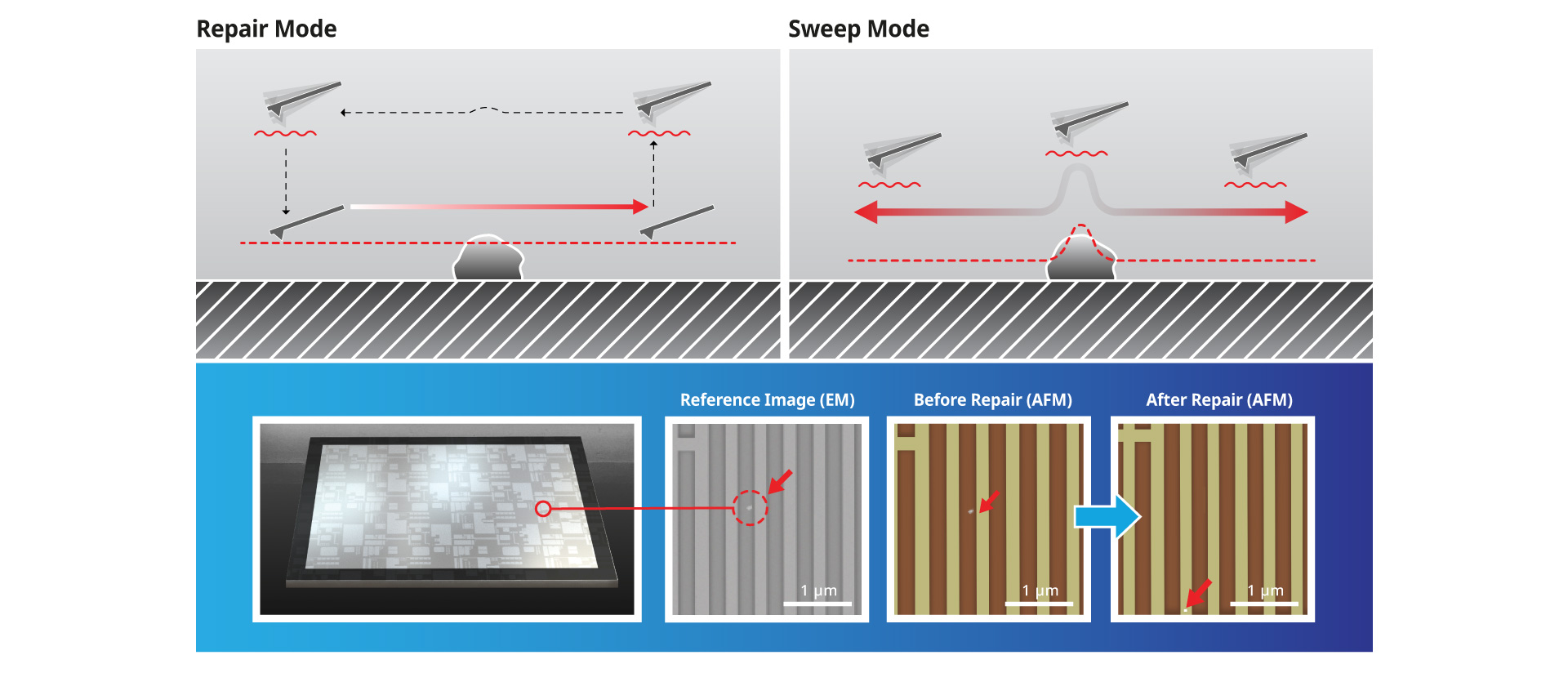
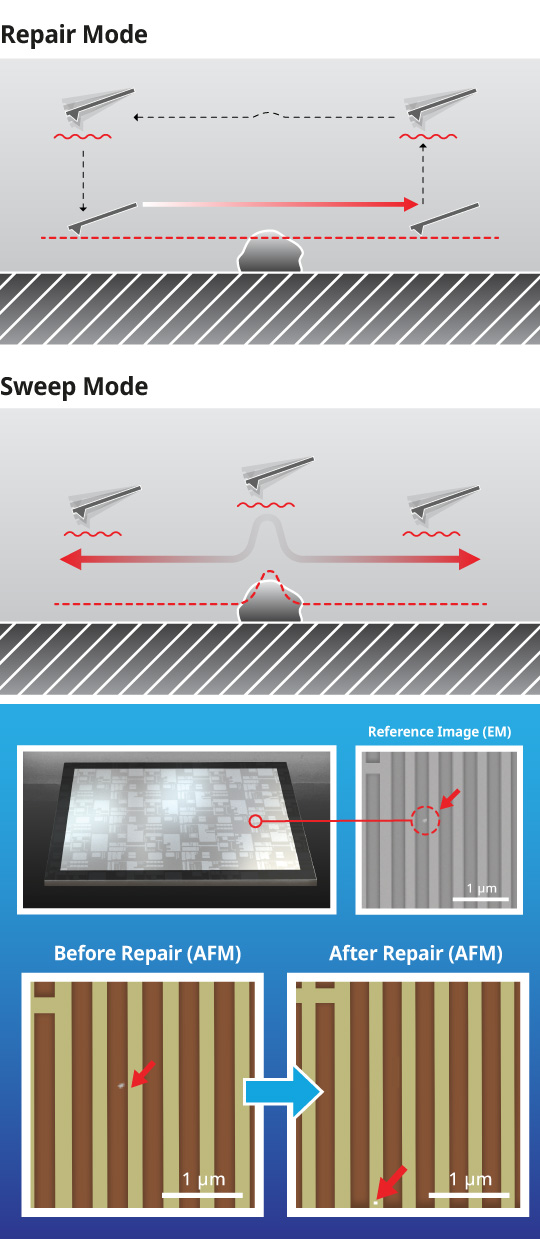
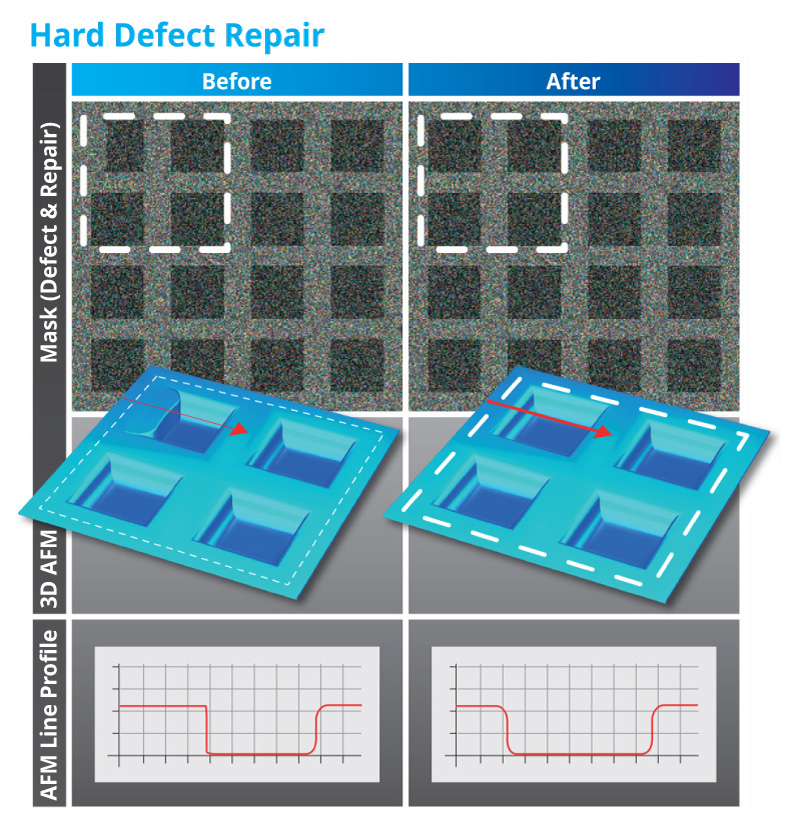
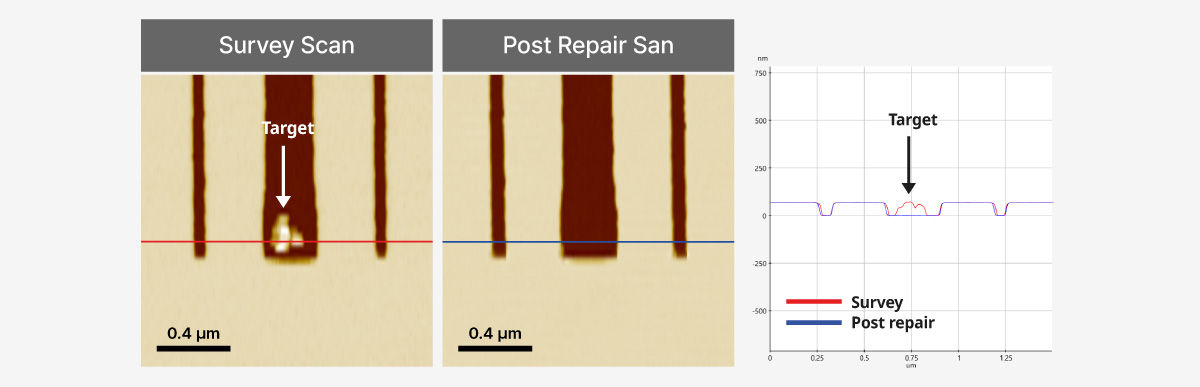
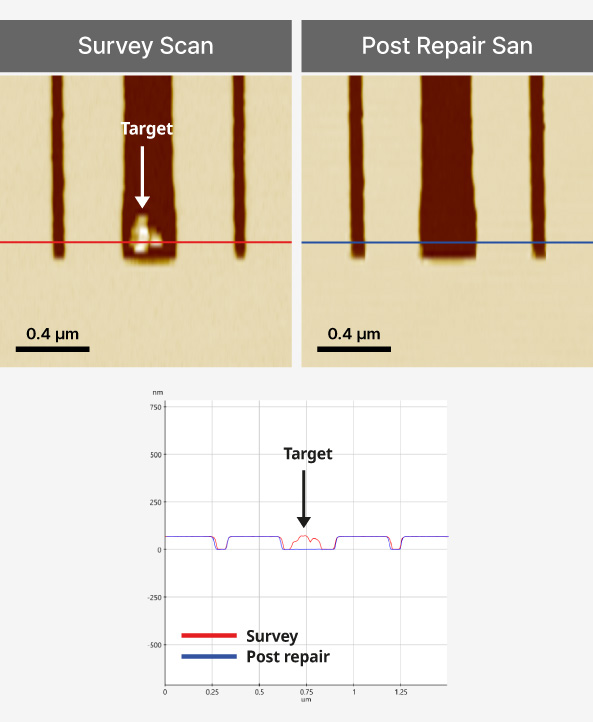
Park NX-Mask performs precise photomask defect repair using an AFM-based nanomechanical method with two operating modes, Repair Mode and Sweep Mode, depending on the defect type.
Photomask defects can be caused by foreign particles in the environment or by errors during pattern processing. The most commonly observed defects on high-end photomasks are tin particles generated during the lithography process. The AFM-based nanomechanical repair method implemented in the Park NX-Mask system provides a safe and precise solution for photomask defect repair.
Engineered for Performance and Mask Protection
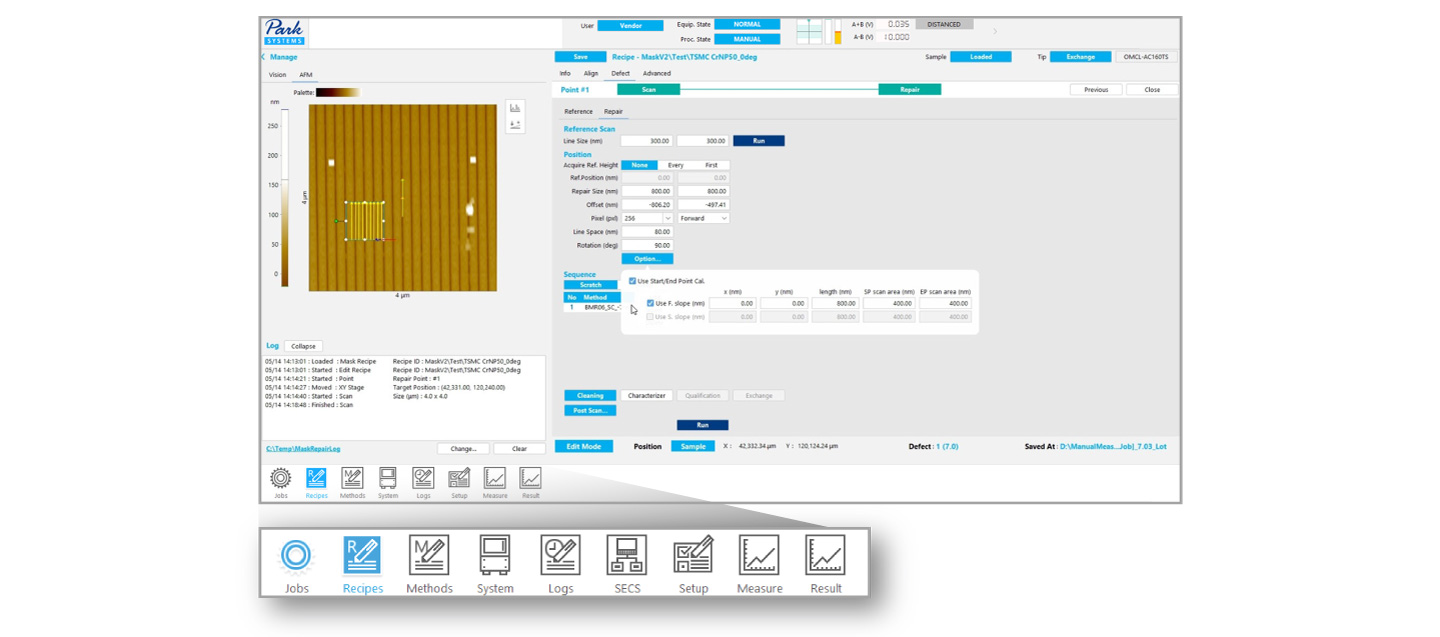
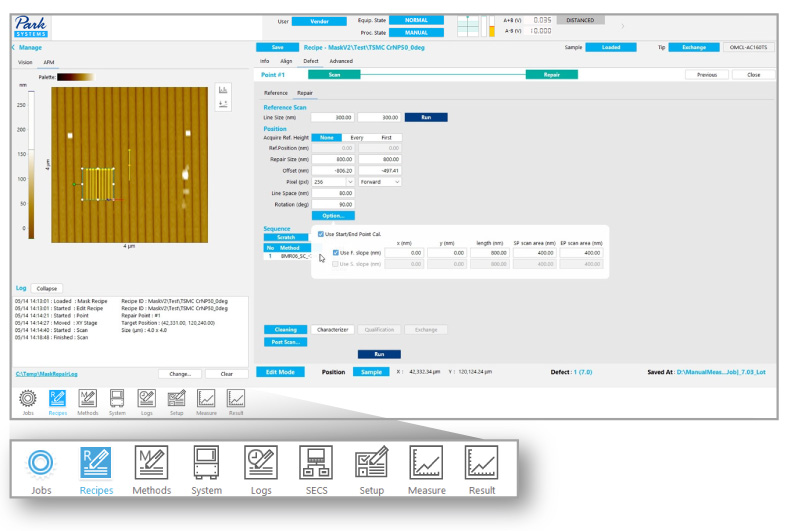
Powered by Park Systems’ process expertise, XEA software optimizes repair performance while ensuring comprehensive protection for high-value masks — leveraging intelligent z-servo control, scan-data-based slope calculation, and a pre-repair safety interlock. The navigator provides an intuitive user interface that integrates system adjustment and operation.
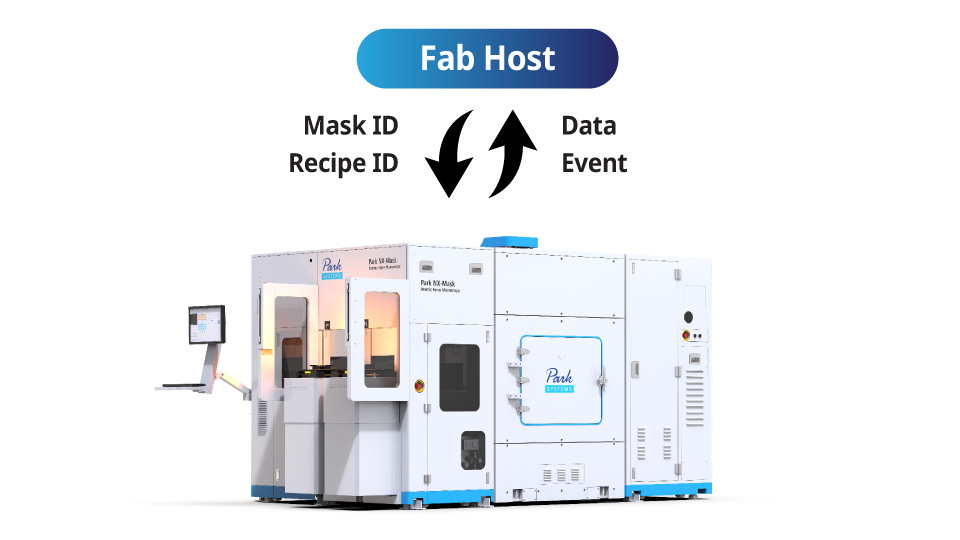
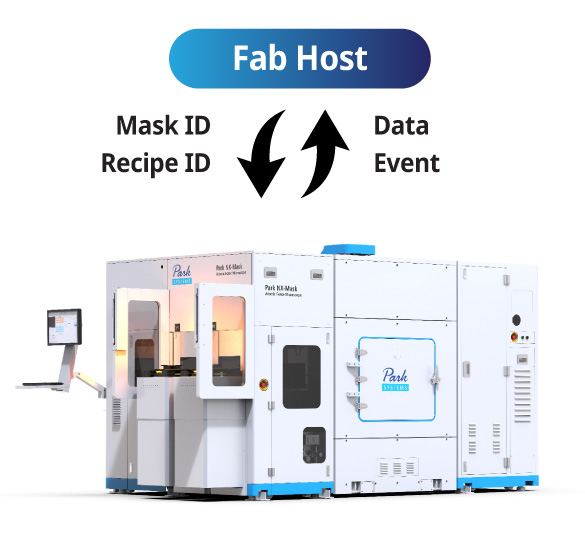
Fab Host Communication via SECS/GEM Protocol
The system enables Fab host communication via the SECS/GEM protocol, ensuring full compliance with SEMI standards, including E30, E40, E87, E90, E94, and E84 PI/O for AMHS integration.
Fab Compatibility According to SEMI Standards
NX-Mask ensures optimal compatibility with cleanroom environments in semiconductor fabs. The system achieves ISO Cleanliness Class 1 (≤10 particles/m³ ≥ 0.1 µm and ≤2 particles/m³ ≥ 0.2 µm) and minimizes particle contamination along the wafer movement path through its engineered fan filter unit and ventilation system, while maintaining efficient noise shielding. Additional chemical filters are available as options to effectively block airborne molecular contamination (AMC), which can adversely affect sensitive samples. Furthermore, the system is equipped with advanced monitoring capabilities that can detect and alert users to potential fire hazards or voltage sags.
Park AFM Technology
Tip Scanning Head (TSH) System
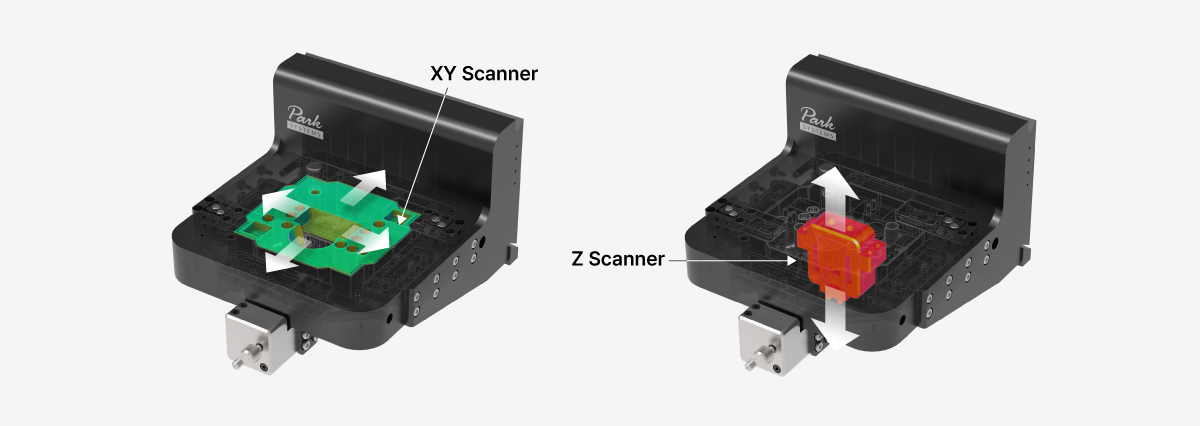
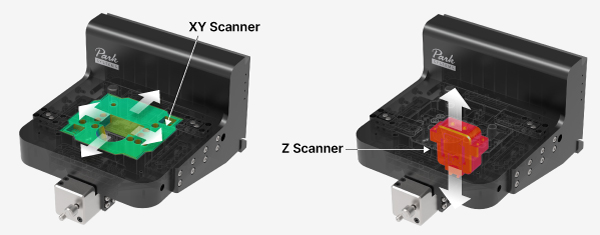
The sample is secured on the chuck while the gantry-mounted tip scanning head moves to desired measurement positions on the sample surface. This tip scanning approach eliminates sample size and weight limitations. The tip scanning head features a fully decoupled XY scanner and Z scanner, enabling precise control in each direction.
Decoupled XY and Z Scanner System
The separated flexure-guided 2D XY scanner and 1D Z scanner system minimizes
out-of-plane motion by eliminating crosstalk between horizontal and vertical motion. The independent Z scanner enables precise, linear, and fast dynamic performance.
Park AFM Technology
True Non-Contact™ Mode
True Non-contact™ mode, a proprietary technology offered by Park Systems, obtains topography by detecting the attractive van der Waals force between the tip and sample surface. The key advantage of True Non-contact mode is the prevention of tip wear and sample damage, ensuring consistent results with superior data reliability. This also reduces the total cost of ownership by extending tip life.
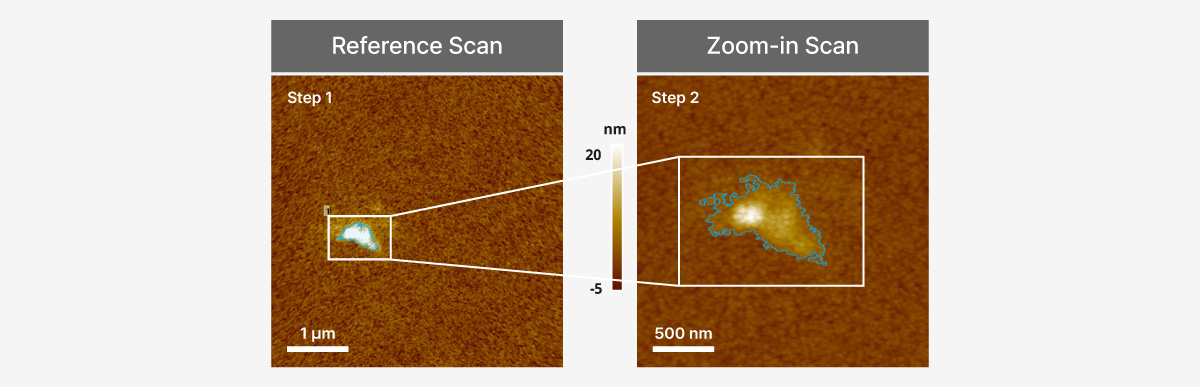
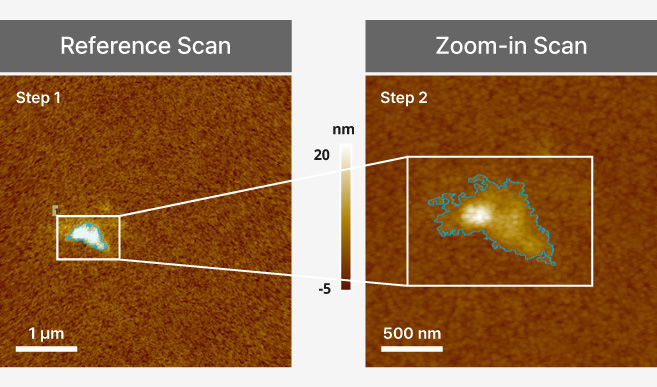
The ADR function provides further analysis of defects detected by conventional defect inspection tools. The defects are automatically scanned by AFM once inspection tool data with defect coordinates is uploaded. Defect types and profiles are automatically analyzed in detail using zoom-in scan data.